
Biography
The career of Tennessee Williams (1911-1983) spanned six decades, earning him an international reputation as one of America’s greatest playwrights. An unusually prolific artist, Williams’s body of work includes poetry, short stories, novels, essays, paintings, and a memoir, although he is best known for his success in the theatre. Williams began writing full-length plays during the Great Depression, with titles such as Candles to the Sun (1937), Spring Storm (1938), and Not About Nightingales (1938), and achieved the height of popular and critical success in the postwar climate of the 1940s and ’50s. He rose to fame in 1945 with his first Broadway success, The Glass Menagerie, followed by the Pulitzer Prize-winning hits A Streetcar Named Desire (1947) and Cat on a Hot Tin Roof (1955), along with other well-known titles such as Summer and Smoke (1948), The Rose Tattoo (1950), Suddenly Last Summer (1958), Sweet Bird of Youth (1959), and The Night of the Iguana (1961), which were all made into star-studded Hollywood films.
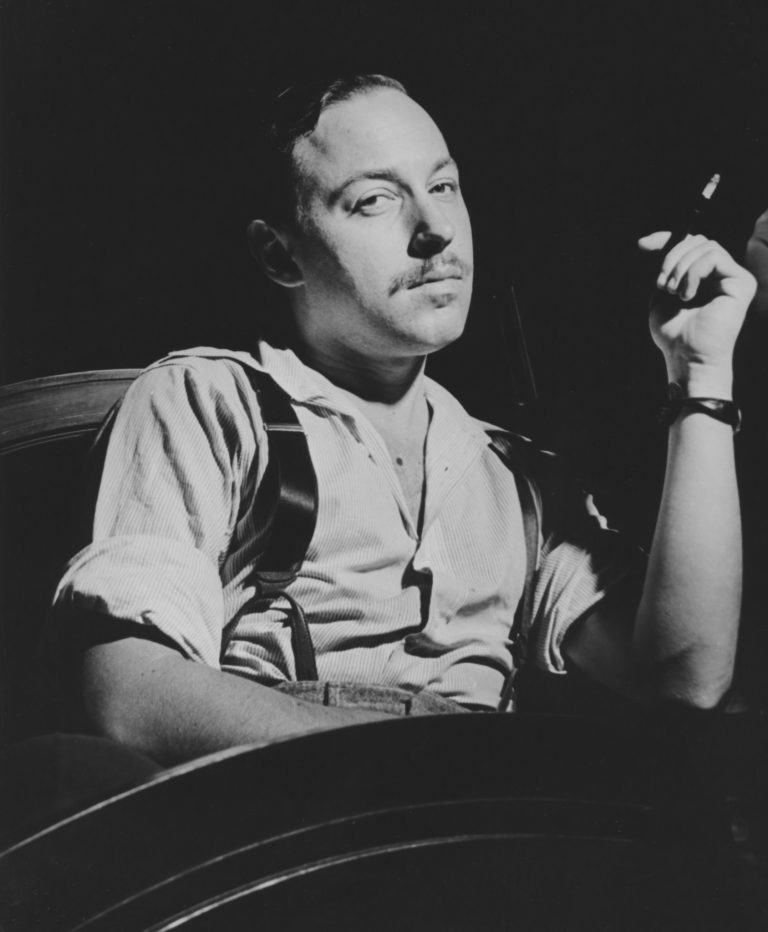
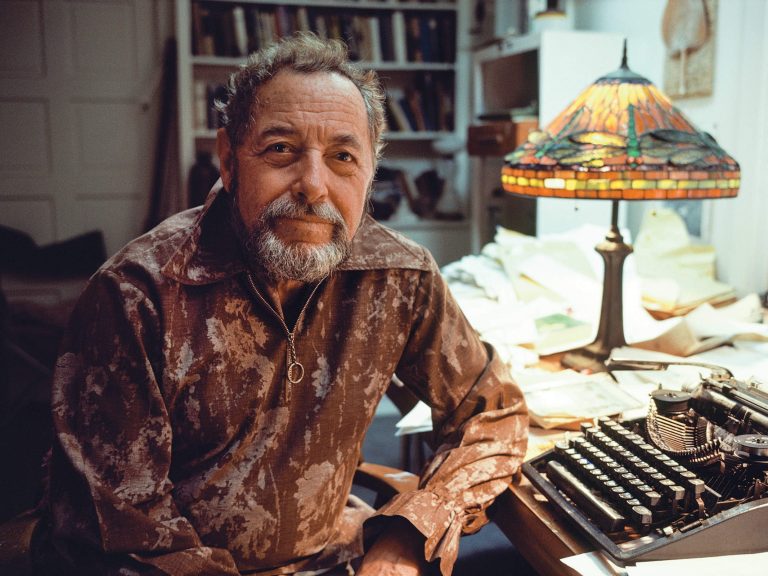
Williams continued to write plays throughout the 1960s, ’70s, and ’80s, as he embraced new themes and dramatic styles that reflected the cultural shifts of these dynamic decades, despite his declining popularity and pressure from a critical establishment that often resisted his expanding artistic vision. Since the 1990s, however, the re-evaluation of Williams’s later work and reputation has led to more informed productions of plays such as The Milk Train Doesn’t Stop Here Anymore (1963), The Mutilated (1966), and The Two-Character Play (1967), as well as the publication and world premiere of titles that include Green Eyes (1970), The Traveling Companion (1981), and The Remarkable Rooming-House of Mme. Le Monde (1982). Williams continues to influence twenty-first-century theatre with productions and adaptations regularly staged throughout the world, as well as popular festivals dedicated to his work.
Timeline
- All
- 1930s
- 1940s
- 1950s
- 1960s
- 1970s
- 1980s
1938: Arrival in New Orleans
Lorem ipsum dolor sit amet, consectetur adipisicing elit. Quidem, provident.
1944: The Glass Menagerie Premieres
Lorem ipsum dolor sit amet, consectetur adipisicing elit. Quidem, provident.
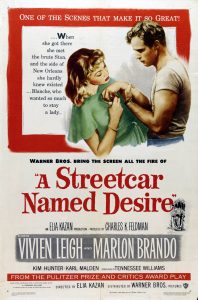
1951: The Film Adaptation of Streetcar is Released
Lorem ipsum dolor sit amet, consectetur adipisicing elit. Quidem, provident.
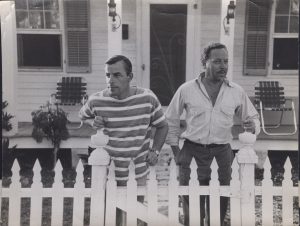
1963: Frank Merlo Dies
Lorem ipsum dolor sit amet, consectetur adipisicing elit. Quidem, provident.
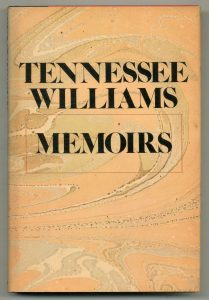
1977: Williams Publishes his Memoirs
Lorem ipsum dolor sit amet, consectetur adipisicing elit. Quidem, provident.
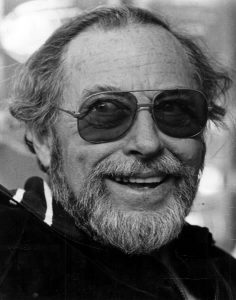
1983: Death
Lorem ipsum dolor sit amet, consectetur adipisicing elit. Quidem, provident.
Works
Plays
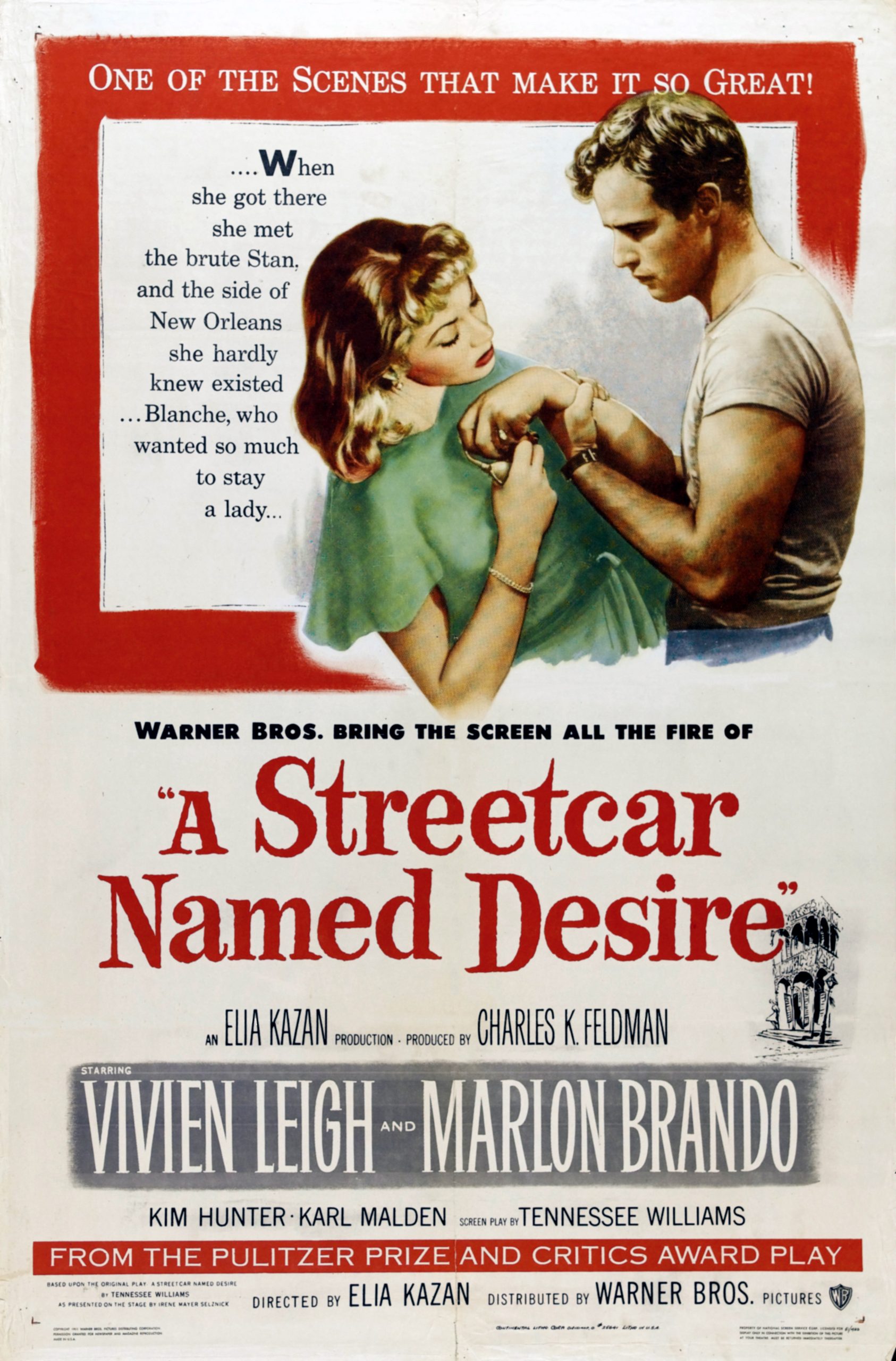
A Streetcar Named Desire (1949)
Lorem ipsum dolor sit amet, consectetur adipiscing elit. Ut elit tellus, luctus nec ullamcorper mattis, pulvinar dapibus leo.
Production history
Lorem ipsum dolor sit amet, consectetur adipiscing elit. Ut elit tellus, luctus nec ullamcorper mattis, pulvinar dapibus leo.
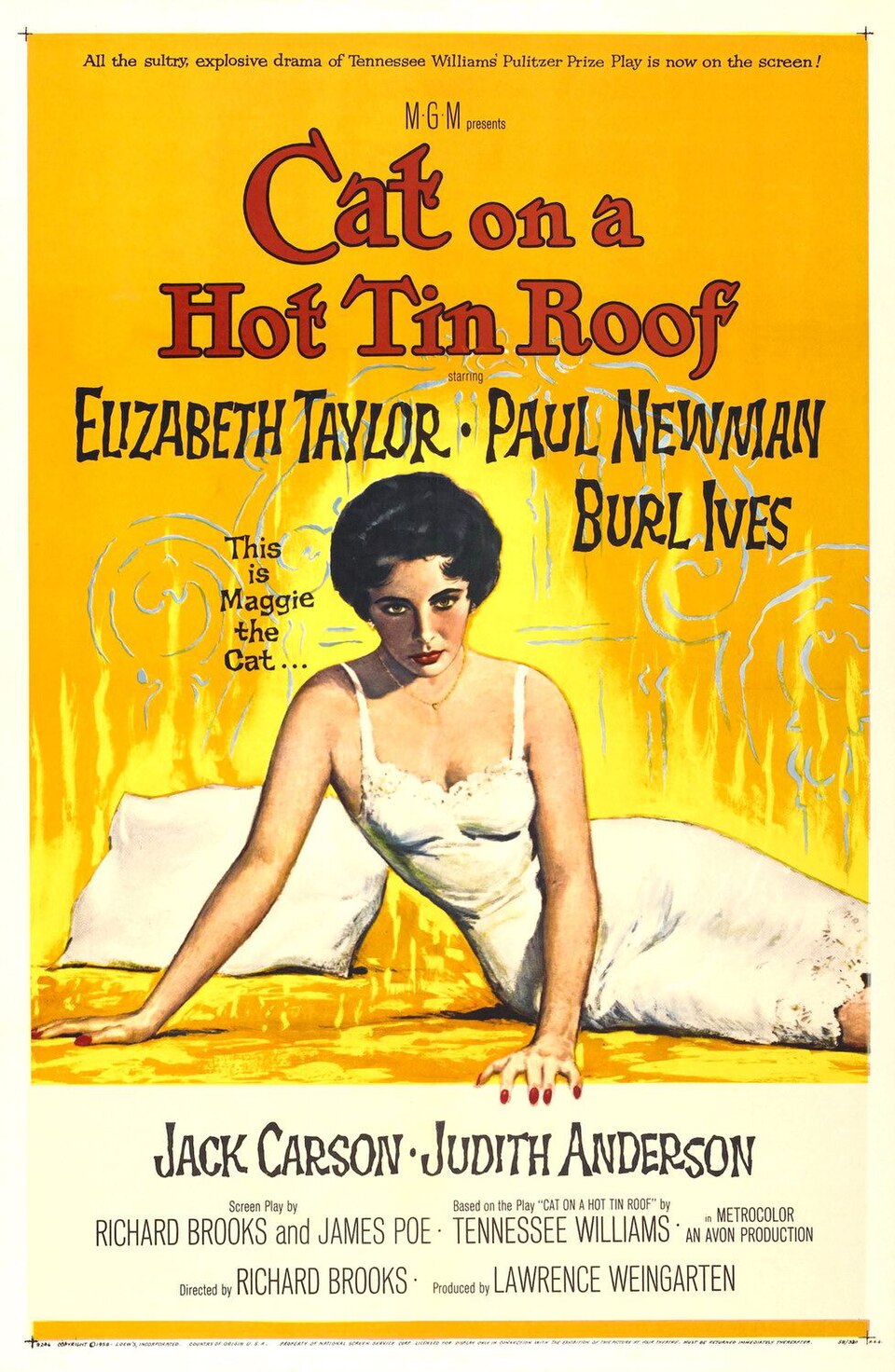
Cat on a Hot Tin Roof (1955)
Lorem ipsum dolor sit amet, consectetur adipiscing elit. Ut elit tellus, luctus nec ullamcorper mattis, pulvinar dapibus leo.
Production history
Lorem ipsum dolor sit amet, consectetur adipiscing elit. Ut elit tellus, luctus nec ullamcorper mattis, pulvinar dapibus leo.
Novels
Poetry
I am very excited with the poems you sent. It seems to me you ARE a poet.
(Letter from New Directions publisher James (Jay) Laughlin to Tennessee Williams, January 20, 1943)
Though Tennessee Williams came to think of himself as first and foremost a writer, the idea of being a poet had a strong, romantic appeal from an early age. He wrote poems when he was in the ninth grade and later idolized both the traveling bard Vachel Lindsay and the Modernist Romantic Hart Crane. When he attended Washington University in Depression-hit St. Louis, Williams became close friends with Clark Mills McBurney and William Jay Smith, two would-be poets with whom he formed the “Literary Factory”: a club that met at Williams’s family home on Pershing Avenue for animated discussions about poetry and politics.
On discovering playwriting and the draw of audience appreciation, Williams continued writing poems but increasingly found that his poetic aspirations could be channeled into the dialogue and stage descriptions of his plays. In the commercially successful phase of his career, the nineteen forties through the fifties, he was widely considered a lyrical dramatist, and, as David Roessel and Nicholas Moschovakis point out, “there is ample reason to look at the whole texture of Williams’s work as that of a seamless web of poetic self-expression.”
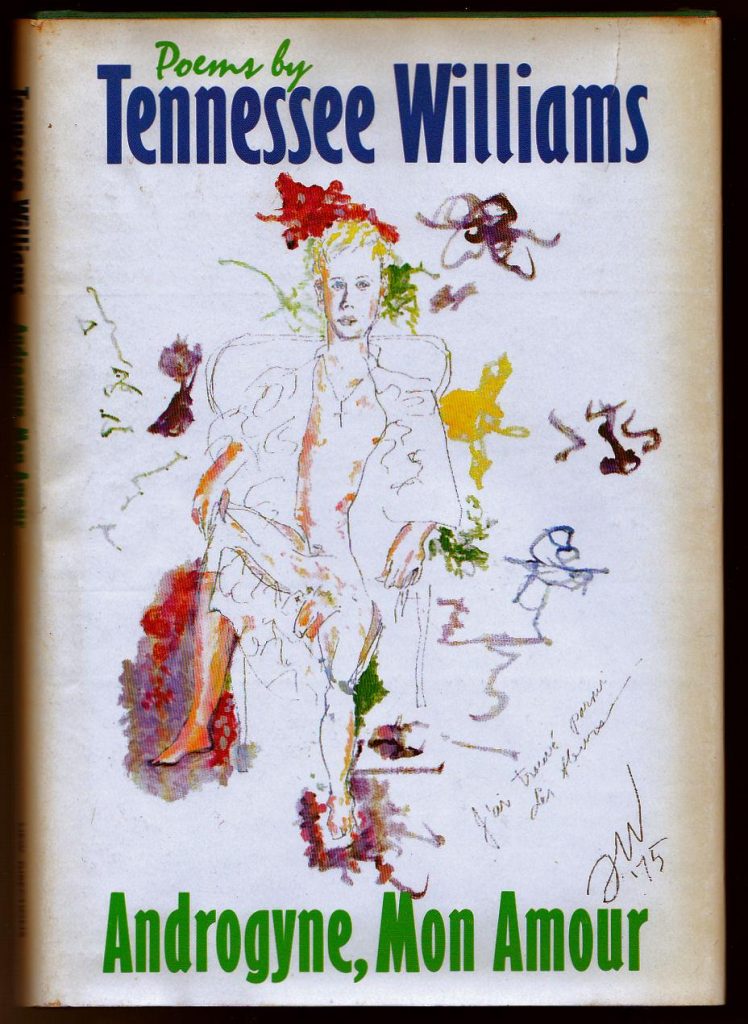
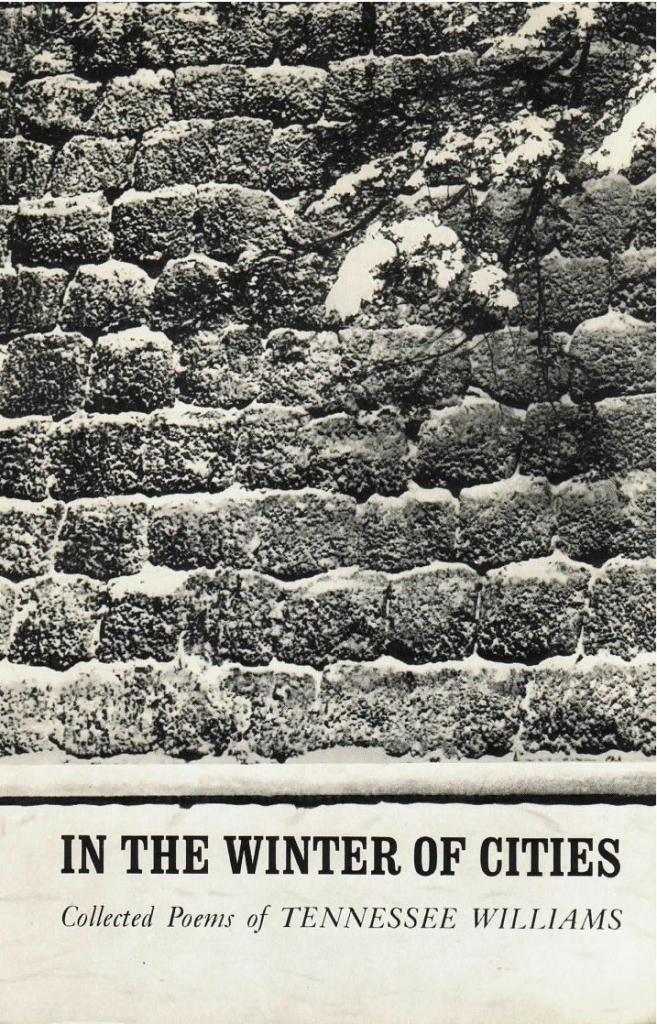
Though twenty-seven of Williams’s earlier poems were selected by his publisher at New Directions, James (Jay) Laughlin, for the 1944 anthology Five Young American Poets, it is for the two collections published in his name, In the Winter of Cities (1956) and Androgyne, Mon Amour (1977), that Williams is best remembered as a poet.
Here we see the partial transition from a lyrical poet, influenced by Sara Teasdale and Edna St. Vincent Millay, to a Modernist, inspired by French Symbolist poetry and the challenging verse forms of Hart Crane. Here, too, we find many of the themes that Williams explored in his other writing: the necessity of flight (“Cried the Fox”); old age (“Shadow Boxes,” “Old Men with Sticks”); the fleeting and uncertain nature of love (“Across the Space”); homoeroticism (“The Interior of the Pocket,” “The Siege”); the madness inherent in creativity (“The Dangerous Painters”); and the impact of death (“Photograph and Pearls”).
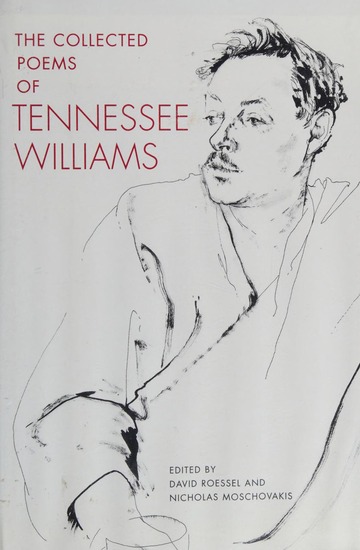
The Collected Poems of Tennessee Williams (2002), edited by David Roessel and Nicholas Moschovakis, adds Williams’s early poems (both his juvenilia and those published under the name Thomas Lanier Williams); those included in his fiction, drama, and the film treatments of his plays; and those previously uncollected or published posthumously to the two collections already mentioned. Of particular note here are Nonno’s poem from The Night of the Iguana (1961), “How Calmly Does the Orange Branch,” a poignant meditation on time passing and the fortitude needed to contemplate decay and death, and “I Think the Strange, The Crazed, The Queer,” a plea for respite on behalf of the world’s outsiders included in both The Mutilated (1966) and And Tell Sad Stories of the Deaths of Queens … (1957).
The ongoing unearthing of individual poems from the various Williams archives in the US throws further light on the writer’s methods of composition and the ways in which he continued to employ poetry as a genre to explore moods and key moments in his life. Notable recent examples include “Kicks,” which imagines Blanche DuBois and Stanley Kowalski (from A Streetcar Named Desire) in court in the context of the lambasting Williams was receiving from theater critics in the seventies; and “The Final Day of Your Life,” a poem that revisits the death of Williams’s partner, Frank Merlo, and that adds to earlier reflections on their uneven and troubled relationship: “Little Horse,” “Covenant,” and “A Separate Poem.”
Further Reading
Adler, Thomas P. “Tennessee Williams’s Poetry: Intertext and Metatext.” Tennessee Williams Annual Review, vol. 1, 1998, pp. 63-72.
Conlon, Christopher. “‘Fox-Teeth in Your Heart’”: Sexual Self-Portraiture in the Poetry of Tennessee Williams.” Tennessee Williams Annual Review, vol. 4, 2001, pp. 59-69.
Tischler, Nancy M. “Tennessee Williams: Vagabond Poet.” Tennessee Williams Annual Review, vol. 1, 1998, pp. 73-79.